Exploring Sustainable investing (ESG) opens up a fascinating realm where finance meets responsibility. Investors today are not only seeking profits but also aiming to make a positive impact on society and the environment. With the rise of ESG criteria, people can align their investments with their values, supporting businesses that prioritize sustainability and ethical practices.
Sustainable investing encompasses a variety of strategies that integrate environmental, social, and governance factors into financial decision-making. This approach has gained momentum as more individuals recognize the importance of investing in companies that foster long-term sustainability. By examining how ESG criteria influence investment choices, we can see a shift toward a more conscientious economy, where profitability goes hand in hand with positive societal change.
Sustainable Investing Fundamentals
Sustainable investing is a growing trend that aligns financial returns with positive social and environmental impact. It encompasses various strategies aimed at generating long-term financial gains while also contributing to sustainability efforts. The significance of sustainable investing lies in its potential to create a positive influence on the world, addressing pressing global issues such as climate change, resource depletion, and social inequality.The principles of sustainable investing are anchored in the integration of Environmental, Social, and Governance (ESG) criteria into investment decision-making.
This approach encourages investors to assess not only the financial performance of potential investments but also their impact on society and the planet. By prioritizing companies that adhere to sustainable practices, investors can drive capital towards enterprises that actively contribute to sustainable development goals.
Role of ESG Criteria in Investment Decisions
ESG criteria play a pivotal role in shaping investment decisions by providing a framework for evaluating a company’s sustainability performance. These criteria cover three main areas: environmental impact, social responsibility, and governance practices.
- Environmental criteria evaluate how a company manages its environmental footprint, including carbon emissions, waste management, and resource usage. Investors looking at this dimension may favor companies that are committed to reducing their carbon footprint and investing in renewable energy sources.
- Social criteria assess a company’s relationships with its stakeholders, including employees, suppliers, customers, and communities. This includes aspects such as labor practices, health and safety, and community engagement. Companies that prioritize diversity and inclusion, for example, often receive positive recognition among socially conscious investors.
- Governance criteria focus on the company’s leadership, executive pay, audits, internal controls, and shareholder rights. Firms with strong corporate governance practices tend to be more resilient and accountable, making them attractive choices for investors seeking long-term stability.
Prominent examples of companies leading in sustainable practices include:
- Unilever: This consumer goods giant has set ambitious targets for reducing its carbon footprint and improving the well-being of communities around the world. Its Sustainable Living Plan integrates sustainability into the core of its business strategy.
- Patagonia: Renowned for its commitment to environmental responsibility, Patagonia dedicates a portion of its profits to environmental causes and actively promotes sustainable practices within the apparel industry.
- Tesla: As a leader in electric vehicles, Tesla focuses on creating sustainable transportation solutions while also investing in solar energy and battery technology to foster a sustainable energy ecosystem.
These companies exemplify how integrating ESG criteria into business strategies can not only enhance brand reputation but also drive investor interest and loyalty, ultimately contributing to a more sustainable future.
Categories of Sustainable Investments
Sustainable investing encompasses a range of strategies and vehicles that prioritize environmental, social, and governance (ESG) factors alongside financial returns. As the demand for responsible investment options grows, various categories have emerged to meet the needs of investors who are looking to make a positive impact with their capital. Understanding these categories is essential for anyone interested in aligning their investment strategies with their values.Sustainable investments are typically structured through various vehicles, with mutual funds and exchange-traded funds (ETFs) being among the most common.
These investment products pool investors’ money to purchase a diversified portfolio of stocks, bonds, or other assets that adhere to sustainability criteria.
Types of Sustainable Investment Vehicles
Mutual funds and ETFs focused on sustainability offer investors a convenient way to participate in the growing market of responsible investing. The following are key types of sustainable investment vehicles:
- Mutual Funds: These funds are actively managed and invest in a diversified portfolio of sustainable companies. They often focus on themes like clean energy, social impact, or corporate governance.
- ETFs: Exchange-traded funds combine the diversification of mutual funds with the trading flexibility of individual stocks. Many ETFs track sustainable indices, offering exposure to a basket of companies committed to ESG principles.
- Green Bonds: These fixed-income securities are specifically earmarked for projects that have positive environmental impacts, such as renewable energy or energy efficiency initiatives.
- Socially Responsible Investment (SRI) Funds: These funds avoid investing in companies that engage in activities deemed harmful to society, such as tobacco or fossil fuels, while promoting companies with strong social performance.
The impact of responsible investing also extends to trading strategies like day trading and futures trading. While these approaches are often seen as short-term and profit-driven, a growing number of traders are incorporating ESG metrics into their decision-making processes. This shift reflects an increasing recognition that responsible companies can also be financially rewarding.
Impact of Responsible Investing on Trading Strategies
The incorporation of ESG factors into day trading and futures trading can have significant implications for market behavior.
- Day Trading: Responsible investors often analyze companies based on their sustainability metrics, which can affect stock price volatility and market sentiment. For instance, news about a company’s poor environmental practices might lead to a rapid sell-off, providing day traders with opportunities to capitalize on price fluctuations.
- Futures Trading: Futures contracts related to commodities such as oil or renewable energy sources can be influenced by shifts in public policy or investor sentiment regarding sustainability. Traders who focus on ESG factors may anticipate shifts in demand, allowing them to position their trades more strategically.
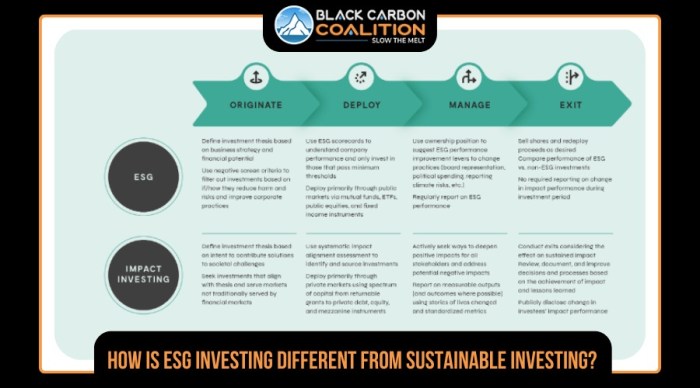
Comparing traditional investing approaches with sustainable investing strategies highlights a fundamental shift in how investors evaluate potential opportunities. Traditional investing often prioritizes short-term gains without much regard for the long-term consequences of corporate behavior, whereas sustainable strategies integrate ESG criteria into their investment analysis.
Comparison of Traditional and Sustainable Investing Approaches
The distinctions between traditional and sustainable investing approaches can be framed through several key aspects:
- Investment Criteria: Traditional investing focuses primarily on financial metrics like earnings and growth potential. In contrast, sustainable investing includes ESG criteria, considering the broader impact of companies on the environment and society.
- Risk Management: Sustainable investing often emphasizes long-term risks associated with ESG factors, such as regulatory changes or reputational damage, while traditional approaches may overlook these elements.
- Performance Metrics: While traditional investing measures success based on financial returns alone, sustainable investing evaluates performance through both financial and social impact metrics, showcasing how investments can generate positive change.
Future Trends in Sustainable Investing

The landscape of sustainable investing is rapidly evolving, and its future trends present exciting opportunities for investors. As environmental, social, and governance (ESG) factors gain prominence, we can expect significant shifts in how investments are approached, especially in sectors like retirement planning and commodities. This section examines the anticipated growth of ESG investing in retirement, compares the performance of sustainable stocks with traditional counterparts, and proposes a framework for assessing the sustainability of commodity investments.
Growth of ESG Investing in Retirement Planning
The integration of ESG factors into retirement planning is expected to expand significantly over the next decade. A growing number of retirement funds are beginning to prioritize sustainability, reflecting a broader societal shift towards ethical investing. Recent studies indicate that millennials and Gen Z investors exhibit a strong preference for sustainable investment options. According to a survey by Morgan Stanley, 85% of millennial investors are interested in sustainable investing.
This demographic trend suggests that retirement plans will increasingly incorporate ESG criteria, aligning with the values of younger investors.
Performance of Sustainable Stocks Versus Traditional Stocks
Understanding the performance of sustainable stocks relative to traditional stocks is crucial for investors considering ESG investments. Research has consistently shown that sustainable companies often outperform their traditional counterparts.A report from MSCI highlighted that, over a five-year period, sustainable equity funds outperformed traditional equity funds by a margin of 2.5%. This performance can be attributed to several factors, including better risk management, enhanced brand loyalty, and a growing consumer base that values sustainability.
For investors, this performance data can be pivotal in demonstrating that investing with a conscience does not come at the cost of financial return.
Framework for Evaluating the Sustainability of Investments in Commodities
As the demand for sustainable commodities rises, establishing a robust framework for evaluating these investments becomes essential. Investors should consider the following criteria when assessing the sustainability of commodity investments:
- Environmental Impact: Assess the ecological footprint of the commodity from extraction to production.
- Social Responsibility: Evaluate the labor practices and community impact associated with the commodity.
- Governance Standards: Review the ethical practices of companies involved in the commodity supply chain.
- Certifications and Standards: Check for certifications such as Fair Trade, Rainforest Alliance, or organic labels.
- Long-term Viability: Analyze the sustainability of the resource in the context of future demand and environmental changes.
This framework will help investors navigate the complexities of sustainable commodities and align their investments with their values while ensuring long-term profitability.
Ultimate Conclusion
In conclusion, Sustainable investing (ESG) represents a transformative movement in finance, encouraging investors to consider more than just financial returns. By understanding the principles and categories of sustainable investments, as well as emerging trends, individuals can contribute to a more sustainable future while securing their financial well-being. As we look ahead, the growth of ESG investing will likely redefine the landscape of investment, making responsible wealth creation an attainable goal for everyone.
FAQ Explained
What does ESG stand for?
ESG stands for Environmental, Social, and Governance, which are the three key factors used to evaluate the sustainability and ethical impact of an investment.
How do I start investing sustainably?
To start investing sustainably, consider researching ESG funds, engaging with financial advisors who specialize in sustainable investing, and assessing your values to guide your investment choices.
Are sustainable investments less profitable?
No, studies have shown that sustainable investments can perform as well as or even better than traditional investments over time.
Can I track the impact of my sustainable investments?
Yes, many investment platforms provide tools and reports that allow you to track the social and environmental impact of your sustainable investments.
What types of companies are considered sustainable?
Companies that prioritize eco-friendly practices, fair labor policies, and strong corporate governance are generally considered sustainable.


