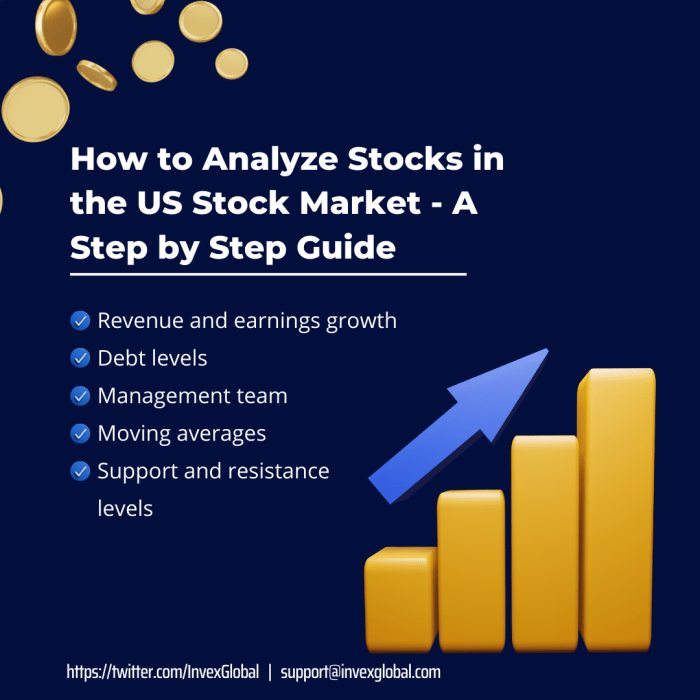
How to analyze a stock before buying is a crucial skill for anyone looking to make informed investment decisions in today’s dynamic market. Understanding the fundamentals of stocks, market trends, and diverse investment strategies not only enhances your financial literacy but also boosts your confidence as an investor.
In this piece, we will explore essential elements like company earnings, economic indicators, and diversification strategies. By dissecting these components, you can build a well-rounded perspective that empowers you to navigate the complexities of stock analysis effectively.
Understanding Stock Fundamentals
When considering buying a stock, it’s essential to understand the underlying fundamentals of the company. This includes evaluating the company’s earnings, revenue growth, balance sheet, and key financial ratios. A solid grasp of these elements can help investors make informed decisions and enhance their chances of achieving favorable returns.One of the pivotal factors in assessing a company’s potential is its earnings and revenue growth.
Companies that consistently grow their earnings and revenues tend to be more attractive to investors, as these metrics often indicate a healthy business operation and the potential for future profitability. Revenue growth shows how well a company is expanding its operations and capturing market share, while earnings growth reflects how effectively it is managing costs and generating profit from its sales.
Earnings and Revenue Growth
Consistent earnings and revenue growth is a positive sign for any investor. Here are a few key points to consider:
- Earnings Growth: Indicates that a company is able to increase its profits over time. This could signal operational efficiency or successful product launches.
- Revenue Growth: Demonstrates that a company is selling more products or services, which can be a strong indicator of market demand and competitiveness.
- Trends Over Time: Looking at these metrics over multiple quarters or years can help identify patterns that may not be evident from a single snapshot.
- Comparative Analysis: Evaluating these growth rates against industry peers can provide context regarding a company’s performance relative to its competitors.
A company’s balance sheet is another critical component in stock analysis. It provides a detailed snapshot of a company’s financial standing at a specific point in time, showing what it owns (assets) and what it owes (liabilities).
Evaluating a Company’s Balance Sheet
Understanding a balance sheet involves several key elements that can help gauge the financial health of a company:
- Assets: These are resources owned by the company, including cash, inventory, property, and equipment. Evaluating the quality and liquidity of these assets is essential.
- Liabilities: Obligations that the company must settle in the future, including loans, accounts payable, and other debts. Analyzing these helps understand the financial risk.
- Equity: The residual interest in the assets after deducting liabilities. A growing equity position can indicate a company’s success and value to shareholders.
- Debt-to-Equity Ratio: This ratio helps assess the company’s financial leverage and stability. A lower ratio generally suggests a more financially stable company.
Finally, understanding the price-to-earnings (P/E) ratio is crucial when analyzing stocks. The P/E ratio is a valuation metric that compares a company’s current share price to its earnings per share (EPS).
Significance of Price-to-Earnings (P/E) Ratio
The P/E ratio provides insight into how investors value a company’s earnings. Here’s what to consider:
- Valuation Assessment: A high P/E ratio may indicate that a stock is overvalued, while a low P/E could suggest it is undervalued compared to its earnings.
- Growth Expectations: Companies with higher growth rates often command higher P/E ratios, reflecting investor expectations for future growth.
- Industry Comparison: Comparing the P/E ratio with industry averages can provide context regarding whether a stock is fairly valued within its sector.
- Historical Context: Comparing a company’s current P/E ratio to its historical averages can reveal how its valuation has changed over time.
The P/E ratio serves as a quick reference for investors to determine how much they are paying for each dollar of earnings, helping make quicker investment decisions.
Market Trends and Economic Indicators
Understanding market trends and economic indicators is crucial for investors looking to optimize their stock investment strategies. These elements are intertwined and offer insights into how the market is likely to perform over time. By analyzing trends and indicators, investors can make informed decisions that align with current economic conditions.
Analyzing Market Trends
Market trends refer to the general direction in which the stock market or a particular stock is moving. Recognizing these trends helps investors identify potential opportunities or threats in the market. To effectively analyze market trends, several factors should be considered:
Price Movement
Monitoring how stock prices change over time provides insight into market sentiment. A series of higher highs and higher lows often suggests a bullish trend, while lower highs and lower lows indicate a bearish trend.
Volume
Analyzing trading volume can reveal the strength behind a price movement. High volume during price increases signals strong buyer interest, while high volume during price declines can indicate significant selling pressure.
Market Indices
Observing major indices such as the S&P 500 or the Dow Jones Industrial Average helps gauge overall market performance. A rising index often reflects a healthy economic environment, encouraging investors to buy stocks.
The Role of Interest Rates and Inflation
Interest rates and inflation are two pivotal economic indicators that can greatly influence investment decisions. Their fluctuations can impact borrowing costs and consumer spending, thus affecting stock prices.
Interest Rates
When interest rates increase, borrowing becomes more expensive, which can slow down economic growth. Higher rates typically lead to lower stock prices as companies face increased costs and reduced consumer spending. Conversely, lower interest rates make borrowing cheaper, encouraging investment and spending, which can boost stock prices.
Inflation
Moderate inflation is generally seen as a sign of a growing economy, but high inflation can erode purchasing power and squeeze profit margins for companies. Investors should monitor inflation rates closely; if inflation rises significantly, central banks may increase interest rates, putting downward pressure on stock prices.
Economic Indicators Influencing Stock Prices
Various economic indicators play a crucial role in stock price movements. Understanding these indicators can enhance an investor’s ability to make sound investment choices. Some key indicators include:
Gross Domestic Product (GDP)
This measures the total economic output of a country. A growing GDP typically indicates a healthy economy, which can lead to rising stock prices.
Unemployment Rate
A high unemployment rate can suggest economic distress, potentially leading to lower consumer spending and reduced corporate profits. Conversely, a low unemployment rate often signals a robust economy.
Consumer Confidence Index (CCI)
This index measures consumers’ optimism about the economy. A high CCI often correlates with increased spending, benefiting companies and their stock prices.Understanding these factors allows investors to adapt their strategies based on prevailing economic conditions and market sentiment. By staying informed about market trends and economic indicators, investors can make more educated decisions, aligning their investment strategies with the broader economic environment.
Diversifying Investment Strategies
Diversification is a crucial strategy in investing that helps mitigate risks and enhance potential returns. By spreading investments across various assets, investors can protect themselves from significant losses that may arise from any single investment’s poor performance. This section will delve into diversifying strategies through mutual funds versus individual stocks, the distinctions between day trading and long-term investing, and the integration of futures and commodities into a diversified portfolio.
Investing in Mutual Funds versus Individual Stocks
When considering investment options, mutual funds and individual stocks offer different advantages and challenges. Mutual funds pool money from multiple investors to buy a diversified portfolio of stocks, bonds, or other securities, managed by professionals. This structure allows for instant diversification and reduces the risk associated with selecting individual stocks. On the other hand, investing in individual stocks allows for greater control over specific investments but comes with higher risks due to lack of diversification.The following points Artikel a strategy for investing in both:
- Risk Tolerance: Assess your risk tolerance to determine whether mutual funds or individual stocks are more suitable. Mutual funds are ideal for conservative investors, while individual stocks might appeal to those with a higher risk appetite.
- Investment Goals: Define your investment goals clearly. If you aim for steady income or long-term growth, mutual funds can be a better option. Individual stocks might be suitable for those looking for high returns through active trading.
- Time Commitment: Consider the time you can dedicate to managing your investments. Mutual funds require minimal effort since they are managed by professionals, whereas individual stock investing necessitates more research and monitoring.
- Fees and Expenses: Evaluate the expense ratios of mutual funds and the trading fees associated with buying and selling individual stocks. High fees can erode long-term gains.
Differences between Day Trading and Long-Term Investing
Day trading and long-term investing represent two distinct approaches that cater to varying investment styles and objectives. Day trading involves buying and selling stocks within the same trading day, focusing on short-term price fluctuations. This approach requires a keen understanding of market trends, technical analysis, and rapid decision-making. Conversely, long-term investing entails purchasing stocks with the intention of holding them over extended periods, often years, to benefit from the company’s growth and dividends.Key differences between these strategies include:
- Investment Horizon: Day trading spans hours or days, while long-term investing focuses on years or decades.
- Market Analysis: Day traders rely heavily on technical analysis and market trends, whereas long-term investors emphasize fundamental analysis and economic indicators.
- Emotional Stress: Day trading can induce significant stress due to market volatility, while long-term investing generally promotes a more stable emotional approach as fluctuations are less impactful over time.
- Transaction Frequency: Day traders make multiple transactions daily, leading to higher fees, while long-term investors trade less frequently, incurring lower costs.
Incorporating Futures and Commodities in a Diversified Portfolio
Futures and commodities can serve as valuable components in a diversified investment portfolio, providing exposure to different asset classes and helping mitigate risk. While stocks and bonds represent traditional investments, futures and commodities allow investors to hedge against inflation and diversify their holdings further.When organizing a plan to include futures and commodities, consider the following strategies:
- Risk Management: Utilize futures to hedge against potential declines in the stock market or to protect commodity investments. For instance, a farmer might use futures contracts to lock in prices for their crops.
- Inflation Hedge: Commodities often perform well during inflationary periods, making them an effective hedge. Investing in gold or crude oil can provide protection against rising prices.
- Diversification: By including a mix of commodities such as agricultural products, energy resources, and precious metals, you can further diversify your portfolio and reduce dependency on stock market performance.
- Leverage Opportunities: Futures contracts allow for significant leverage, enabling lower capital requirements for higher potential returns. However, this also increases risk, necessitating careful management.
“Diversification is the key to risk management and potential long-term investment success.”
Closing Summary
In summary, mastering the art of stock analysis is an ongoing journey that requires attention to detail and a grasp of fundamental concepts. By evaluating a company’s financial health, understanding market dynamics, and diversifying your investment approaches, you position yourself for greater success in the stock market. Remember, informed decisions lead to smarter investments.
Questions and Answers
What is the P/E ratio and why is it important?
The P/E ratio, or price-to-earnings ratio, indicates how much investors are willing to pay for a dollar of earnings. It’s important because it helps assess whether a stock is undervalued or overvalued compared to its earnings.
How do economic indicators affect stock prices?
Economic indicators such as GDP growth, unemployment rates, and consumer spending can influence investor sentiment and market trends, which in turn affect stock prices.
What are the risks of day trading versus long-term investing?
Day trading involves higher risks due to quick market fluctuations and requires constant monitoring, while long-term investing typically involves less stress and the potential for compound growth over time.
How can I effectively diversify my investment portfolio?
Diversifying your portfolio can involve investing in a mix of asset classes such as stocks, bonds, mutual funds, and commodities, which helps reduce risk by spreading potential losses across different investments.
Is it necessary to analyze a company’s balance sheet?
Yes, analyzing a company’s balance sheet provides insight into its financial stability, including assets, liabilities, and equity, which is crucial for making informed investment decisions.


