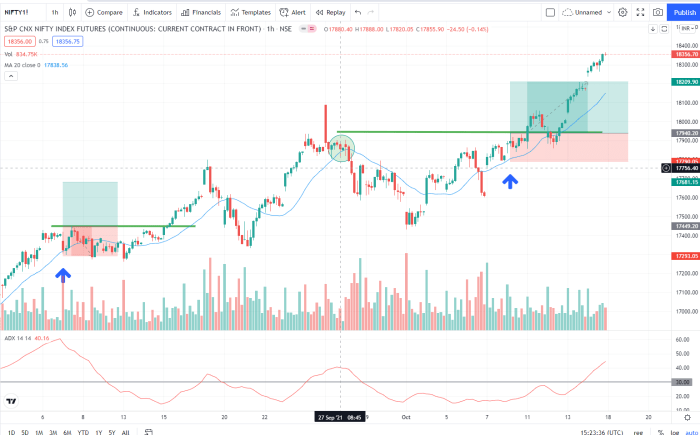
Futures day trading strategies opens the door to a dynamic world where traders seek to capitalize on short-term price movements in various markets. With the right knowledge and techniques, anyone can navigate this fast-paced environment effectively. This approach requires an understanding of futures contracts, risk management, and the ability to leverage market indicators for informed decision-making.
In this exploration, we’ll delve into effective day trading strategies like scalping and momentum trading, highlighting how they can lead to profitable outcomes. Additionally, we will touch upon risk management techniques tailored for futures trading and discuss how these strategies stack up against traditional investing methods.
Futures Day Trading Strategies
Understanding futures contracts is crucial for success in day trading. Futures contracts are agreements to buy or sell an asset at a predetermined price at a specified time in the future. This allows traders to speculate on price movements of commodities, indices, or other financial instruments without having to own the underlying asset. A solid grasp of how these contracts work, alongside the associated risks and benefits, enables traders to make informed decisions and potentially capitalize on short-term market movements.
Importance of Scalping and Momentum Trading
Scalping and momentum trading are two effective strategies employed by day traders in the futures market. Scalping involves making numerous small trades throughout the day to capture minor price fluctuations. This strategy requires quick decision-making and a strong understanding of market dynamics. Momentum trading, on the other hand, focuses on identifying and capitalizing on stocks or futures that are moving strongly in one direction.
Traders look for “breakouts” when the price surpasses significant levels of resistance or support, indicating a potential continuation of the trend.
Both strategies depend heavily on accurate and timely market indicators, which are essential for identifying trading opportunities. Here are some key indicators that traders use:
- Moving Averages: These help traders identify the direction of the trend and potential reversal points. Common periods used are the 50-day and 200-day moving averages.
- Relative Strength Index (RSI): This momentum oscillator measures the speed and change of price movements. An RSI above 70 indicates an overbought condition, while below 30 indicates oversold.
- Volume Analysis: An increase in volume often precedes significant price movements. Traders watch for spikes in volume that accompany price changes as a signal to enter or exit trades.
In conjunction with these indicators, understanding the overall market sentiment can significantly enhance a trader’s ability to make profitable futures trades. Recognizing whether the market is in a bullish or bearish phase can inform decisions on whether to go long or short. Additionally, keeping an eye on economic news and announcements is essential, as these can have immediate impacts on futures prices.
“Success in day trading futures relies not just on strategy, but also on understanding market psychology and the economic factors influencing price movements.”
Risk Management in Day Trading

Risk management is a critical aspect of futures day trading, as it significantly influences the overall success and sustainability of trading activities. By effectively managing risk, traders can protect their capital, minimize losses, and enhance the potential for consistent profits. The volatile nature of futures markets necessitates a well-structured risk management strategy to navigate the inherent uncertainties and psychological pressures associated with trading decisions.One fundamental component of risk management in futures trading is the establishment of stop-loss orders.
These orders help limit potential losses by automatically closing a position when the market price reaches a specified level. By determining the appropriate stop-loss level, traders can effectively manage their exposure and maintain control over their trading activities. Additionally, adjusting trade sizes to align with risk tolerance can further enhance risk management efforts.
Setting Stop-Loss Orders
Establishing stop-loss orders is essential for safeguarding capital and mitigating potential losses in futures trading. This section Artikels the key steps and considerations for setting effective stop-loss orders.
1. Determine Risk Tolerance
Assess your risk appetite to establish how much capital you are willing to risk on each trade. A common guideline is to risk no more than 1-2% of your trading capital on a single trade.
2. Identify Support and Resistance Levels
Analyze market charts to identify significant support and resistance levels. Placing stop-loss orders just below support levels when buying or just above resistance levels when selling can increase the chances of avoiding unnecessary losses.
3. Use a Fixed Dollar Amount or Percentage
Decide whether to set a stop-loss based on a fixed dollar amount or a percentage of the trade value. For instance, if a trader purchases a futures contract at $50 and chooses to set a stop-loss at 2%, the stop-loss would be placed at $49.
4. Avoid Tight Stops
Setting stop-loss orders too close to the entry price can lead to premature exits due to normal market fluctuations. It’s essential to give trades room to breathe to avoid being stopped out unnecessarily.
5. Regularly Review and Adjust
Continuously monitor market conditions and adjust stop-loss levels as necessary, especially as positions become profitable. Moving stop-loss orders to break-even or trailing stops can help lock in profits while still managing risk.
Managing Trade Sizes
Trade size management is another vital aspect of risk management in futures trading. Properly sizing positions helps traders align their trades with their risk profiles and capital.The following points detail effective strategies for managing trade sizes:
Calculate Position Size
Use the formula:
Position Size = (Account Equity x Risk Percentage) / (Entry Price – Stop-Loss Price)
This formula helps determine how many contracts to trade based on the predetermined risk percentage.
Consider Margin Requirements
Futures trading often involves margin, which allows traders to control larger positions with a smaller amount of capital. Ensure that the margin requirements align with your risk management strategy.
Diversify Positions
Avoid concentrating too much capital in a single trade or market. Diversifying positions across different futures contracts can help reduce overall risk exposure.
Adjust for Volatility
Different futures contracts exhibit varying levels of volatility. When trading more volatile contracts, consider reducing position sizes to manage risk effectively.
Psychological Factors in Risk Management
Psychological factors play a significant role in risk management decisions. Emotions such as fear, greed, and overconfidence can strongly impact trading behavior and lead to irrational decisions. Understanding these factors is crucial for maintaining discipline and adhering to risk management strategies.
Fear of Loss
Many traders experience heightened fear during market fluctuations, which can lead to hasty decisions. Recognizing this fear and having a clear plan can help mitigate its impact.
Greed and Overtrading
The desire for greater profits can lead traders to increase their risk exposure or overtrade. Establishing clear profit targets and remaining disciplined in following them can help counteract this tendency.
Loss Aversion
Traders often feel losses more acutely than equivalent gains, resulting in suboptimal decision-making. Developing a mindset focused on long-term success rather than short-term losses can promote better risk management.
Emotional Resilience
Building emotional resilience through disciplined trading practices and self-reflection can lead to improved decision-making. Techniques like journaling trades and reviewing outcomes can foster a more constructive trading mindset.By integrating effective stop-loss strategies, managing trade sizes appropriately, and addressing psychological factors, traders can enhance their risk management practices in futures day trading, ultimately leading to more sustainable and profitable trading experiences.
Comparisons with Other Investment Methods
Futures day trading offers a unique approach to investing compared to traditional methods like mutual funds and individual stocks. While both strategies have their merits, understanding their differences can help investors choose the right path for their financial goals. This comparison will consider the nature of each method, their respective advantages and disadvantages, and the implications of active trading strategies on retirement planning.
Advantages and Disadvantages of Day Trading versus Long-Term Investing
The choice between day trading and long-term investing involves evaluating their respective benefits and drawbacks. Here are key points to consider:
- Liquidity: Day trading operates in highly liquid markets, allowing traders to enter and exit positions quickly. This contrasts with long-term investing, where investments may take time to appreciate.
- Potential for Quick Profits: Successful day traders can realize substantial profits over short periods. Long-term investors typically aim for gradual growth, which may yield lower short-term gains.
- Market Knowledge: Day traders must have a deep understanding of market trends, technical analysis, and quick decision-making. Long-term investors can often rely on broader market knowledge and fundamental analysis.
- Emotional Stress: Day trading can be stressful due to rapid market fluctuations, requiring a level of emotional stability that some may find challenging. Long-term investing often leads to less day-to-day stress.
- Transaction Costs: Frequent trading can lead to high transaction costs and tax implications, while long-term investing generally incurs lower fees due to fewer trades.
- Time Investment: Day trading demands considerable time and attention during market hours, while long-term investing allows for a more passive approach.
The differences highlighted above illustrate that while day trading offers opportunities for potential gains, it also comes with unique challenges and risks that long-term investing does not face.
Retirement Planning Influenced by Active Trading Strategies
Active trading strategies, particularly in futures and commodities, can have a significant impact on retirement planning. Investors who engage in day trading may need to adapt their retirement strategies to account for the volatility and unpredictability of their trading performance. Some considerations include:
- Asset Allocation: Traders may prioritize liquid and volatile assets that provide quick returns, potentially leading to an imbalanced retirement portfolio.
- Income Variability: Day trading can generate irregular income streams, making it challenging to create a stable retirement income plan.
- Risk Management: Effective risk management is crucial for day traders to avoid significant losses that could derail retirement plans.
- Tax Implications: Short-term capital gains taxes can impact overall profitability, necessitating careful tax planning for day traders contributing to retirement accounts.
- Retirement Account Types: Investors must be aware of which accounts can accommodate active trading, such as IRAs, and the rules governing trading within these accounts.
Adopting active trading strategies requires a reevaluation of traditional retirement planning methods. Individuals must remain mindful of how their trading activities align with their long-term financial goals to ensure a secure retirement.
Wrap-Up
In summary, mastering futures day trading strategies provides traders with the tools needed to excel in a competitive market. By grasping the nuances of risk management and understanding the psychological aspects of trading, one can optimize their trading approach. Whether you’re a novice or an experienced trader, these insights aim to enhance your trading journey and potentially secure your financial future.
Answers to Common Questions
What are futures contracts?
Futures contracts are agreements to buy or sell an asset at a predetermined price on a specific date in the future, allowing traders to speculate on price movements.
How can I minimize risks in futures day trading?
Minimizing risks can be achieved by using stop-loss orders, diversifying your trades, and maintaining a disciplined trading plan.
What is scalping in futures trading?
Scalping is a trading strategy that focuses on making small profits from minor price changes, often involving numerous trades within a single day.
How do market indicators assist in trading decisions?
Market indicators provide insights into market trends and potential price movements, helping traders identify entry and exit points for their trades.
Is day trading suitable for retirement planning?
While day trading can be profitable, it’s generally considered riskier than long-term investing, and should be approached with caution when planning for retirement.


